
Blackjack Basics: A Guide to Informed Play
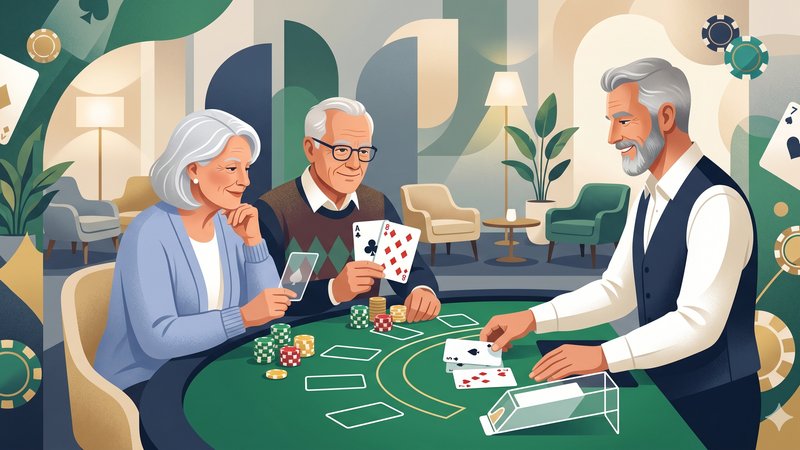
Blackjack is one of the few casino games where the player's decisions can influence the outcome of the hand. While it is impossible to eliminate the house edge entirely, understanding the basic rules can help you make more informed decisions. Disclaimer: There are no guaranteed wins in gambling; these suggestions are based on mathematical probabilities, not a promise of profit.
The Core Objective
The goal of blackjack is simple: beat the dealer's hand without exceeding a total of 21. You do this by either having a higher total than the dealer or by the dealer "busting" (going over 21). In our opinion, the beauty of the game is its simplicity, which makes it an excellent choice for those seeking a social and mentally stimulating activity.
We strongly believe that the most important part of any gaming session is knowing when to stop. Please remember to play within your limits and utilize the tools provided by responsible gambling organizations if you feel you are spending more than you intended.
Understanding Basic Play Patterns
While we cannot offer a "winning strategy," we can discuss common patterns that players use to manage their risk. These are based on the probability of the dealer's hole card.
- Hard 17 or Higher: Most players choose to stand, as the risk of busting by taking another card is very high.
- Hard 12-16: This is the "danger zone." If the dealer shows a low card (2-6), some players choose to stand, hoping the dealer will bust. If the dealer shows a high card (7-Ace), players may choose to hit.
- Hard 11: In many cases, doubling down on 11 is considered a logical move if the dealer is showing a weak card, as it increases the potential payout.
The Role of the Dealer's Up-Card
The dealer's visible card is the only piece of information you have about the dealer's hand. Based on our review of game mechanics, the dealer is at their most vulnerable when showing a 4, 5, or 6. Conversely, when the dealer shows an Ace or a 10, the probability of them hitting a strong hand increases significantly.
Common Misconceptions
One of the biggest myths in blackjack is that the "deck is due" for a certain card. In online blackjack, especially in Live Dealer games where the shoe is shuffled frequently, each hand is an independent event. Previous hands do not influence the probability of the next hand. We believe that accepting this randomness is key to enjoying the game without frustration.
Bankroll Management for Seniors
For mature players, the goal is often longevity—staying in the game longer to enjoy the experience. We suggest the following approach to managing your funds:
Divide your total budget for the session into smaller units. For example, if you have €50 for the evening, you could play in €2 or €5 increments. This prevents a few unlucky hands from ending your session prematurely. According to our methodology, a disciplined approach to betting is the only way to ensure a sustainable gaming experience.
Conclusion: Play for the Experience
Blackjack is a game of margins. While you can use logic to guide your hits and stands, the house always maintains a mathematical advantage. We encourage you to view the game as a form of mental exercise and social entertainment rather than a way to make money. By focusing on the process rather than the result, you can maintain a healthy relationship with gaming.